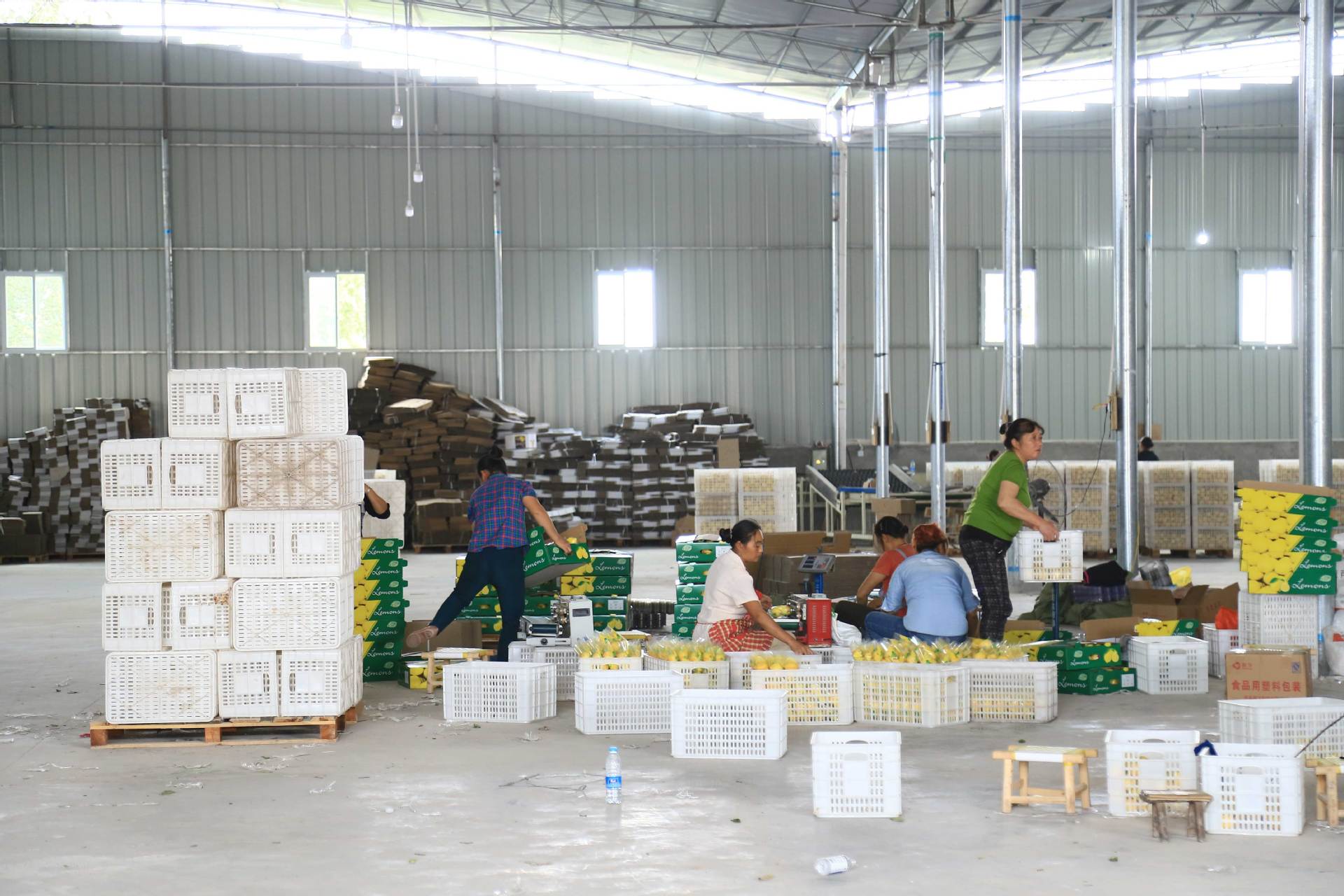
Many global fruit importers encounter unexpected losses when placing full-container fresh lemon orders, even with stable suppliers. Most problems come from neglected details in grade confirmation, pre-shipment handling and cold-chain arrangement, rather than product quality itself. For long-term lemon wholesale business, avoiding these common import mistakes can greatly reduce cargo damage, customs delays and after-sales disputes.
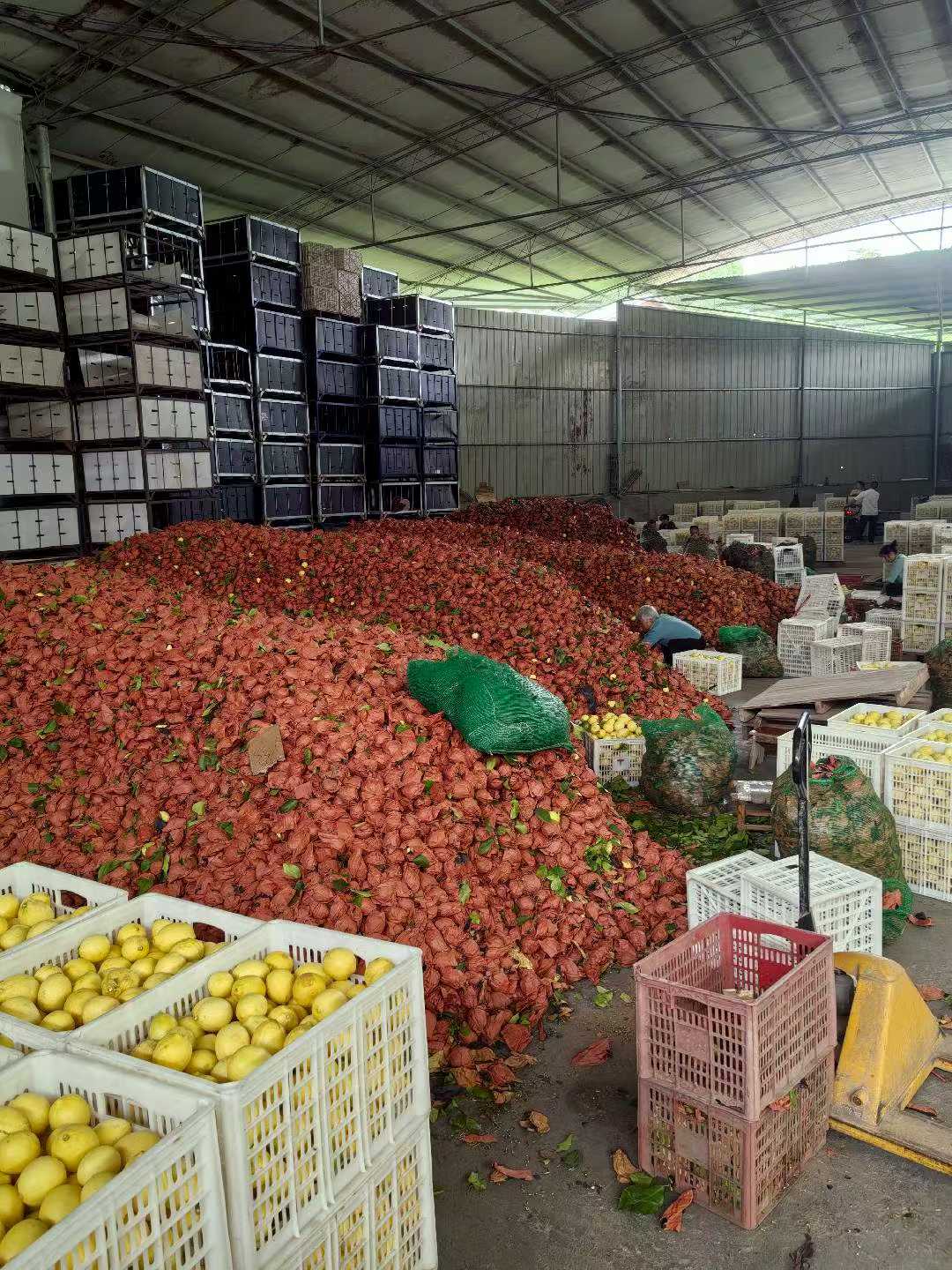
The most frequent issue is mismatched lemon grades between confirmation and shipment. Many buyers only confirm a general standard without specifying size range, skin defect tolerance and juice rate requirements, leading to goods unsuitable for local retail or processing markets. Professional lemon exporters will complete strict manual and machine grading before packing, fully matching customized market standards. You can check our
fresh lemon bulk products for standardized export grade specifications and full-container order solutions.
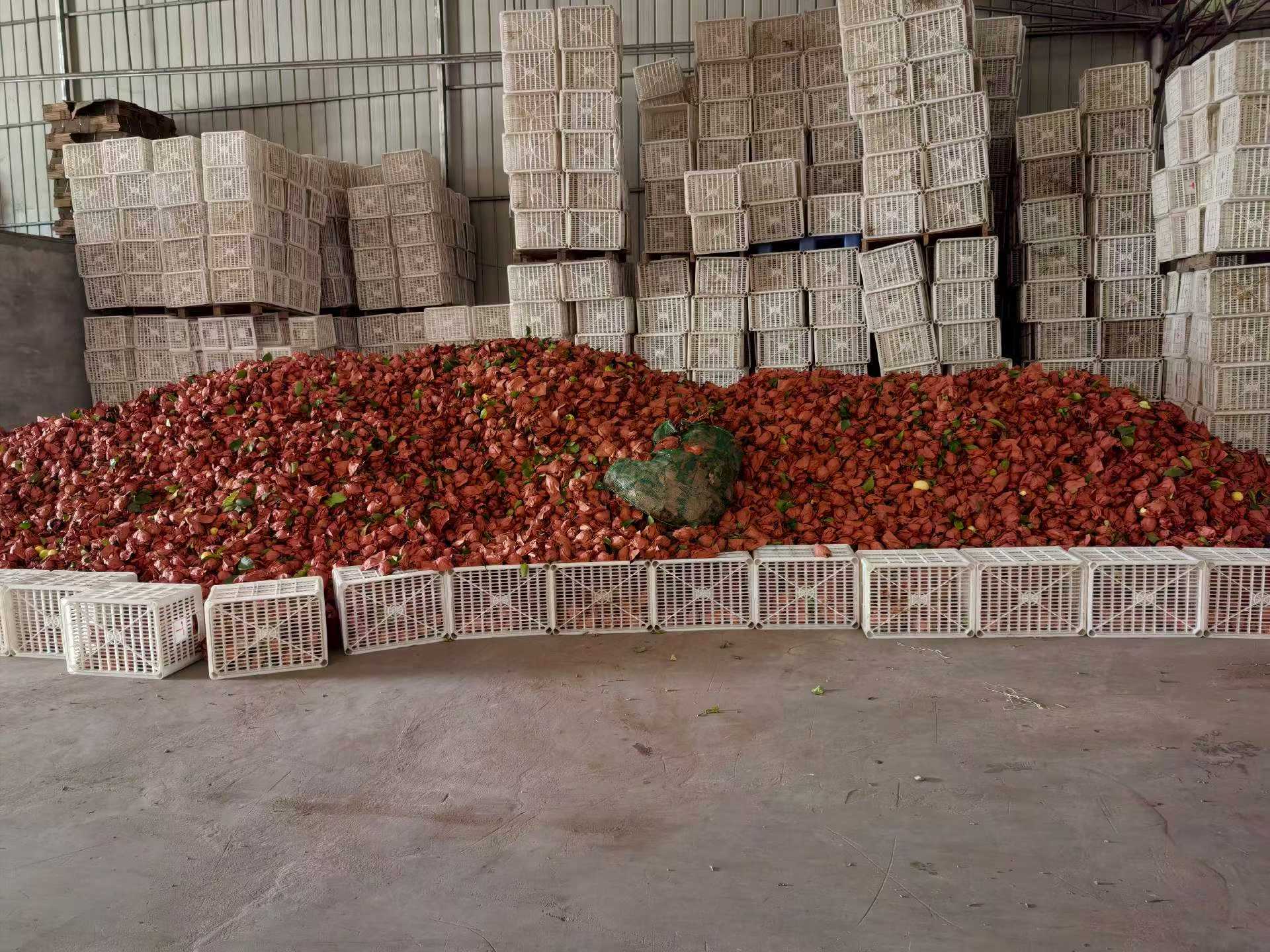
Improper cold-chain configuration is another key risk for cross-border lemon shipping. Using incorrect container temperature, insufficient pre-cooling or poor carton ventilation will shorten shelf life and cause fruit decay during long sea transportation. Reliable suppliers adopt fixed reefer temperature standards and scientific stacking methods to ensure stable freshness throughout the whole voyage, meeting long-distance export requirements.
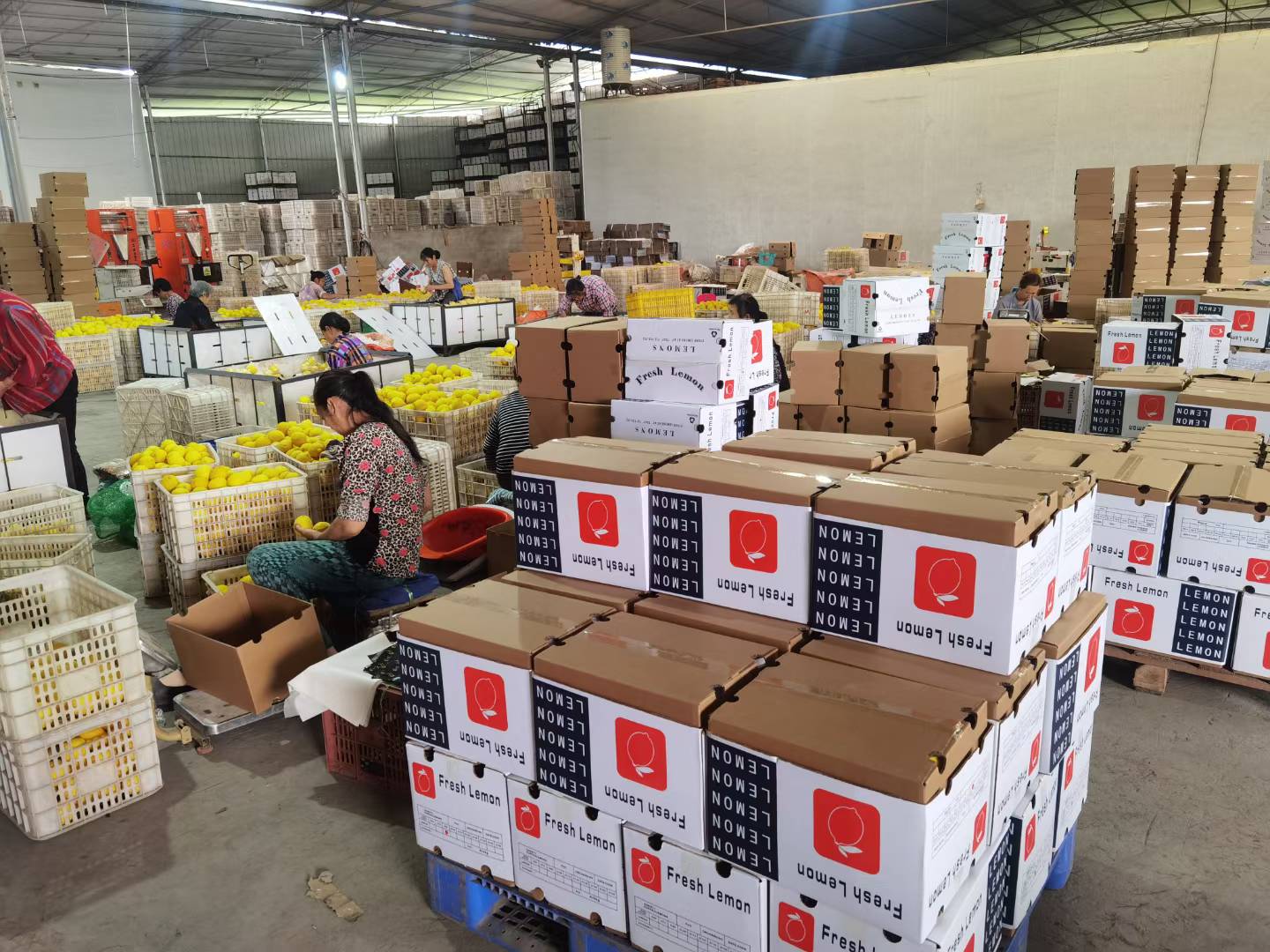
Incomplete document preparation and unclear loading standards also easily cause customs clearance delays. Bulk lemon full-container orders require unified packing lists, phytosanitary certificates and origin documents. Standardized loading and complete paperwork can help importers clear customs smoothly and receive goods on schedule, maintaining stable local sales and supply cycles.